
A home relies on many different systems and components to remain comfortable, functional, and safe. Some repairs are easy to notice, such as a dripping faucet or a garage door that refuses to open. Others can develop gradually, making them more difficult to recognize until they begin affecting other parts of the property. Paying attention to changes in how your home operates can help you identify potential problems before they become more disruptive.
Home repairs can also vary significantly in scope. A small issue with a fixture might only require a straightforward adjustment, while a problem involving wiring, roofing materials, heating equipment, or structural components can require professional attention. Knowing when something needs to be inspected or repaired can help homeowners take appropriate action instead of allowing a problem to continue.
Regular maintenance can also help homeowners stay ahead of repairs. Checking important systems, addressing visible damage, and responding to unusual sounds, odors, leaks, or changes in performance can all help protect the property. It can also be helpful to keep track of previous repairs and the age of major systems so you have a clearer idea of when certain components might need additional attention.
Whether you’re dealing with an immediate problem or planning routine maintenance, taking care of necessary repairs can help keep your home in better condition. Addressing concerns as they arise can also make it easier to maintain a comfortable living environment and reduce the potential for one problem to contribute to another.
Keep Your Heating and Cooling System Working Properly
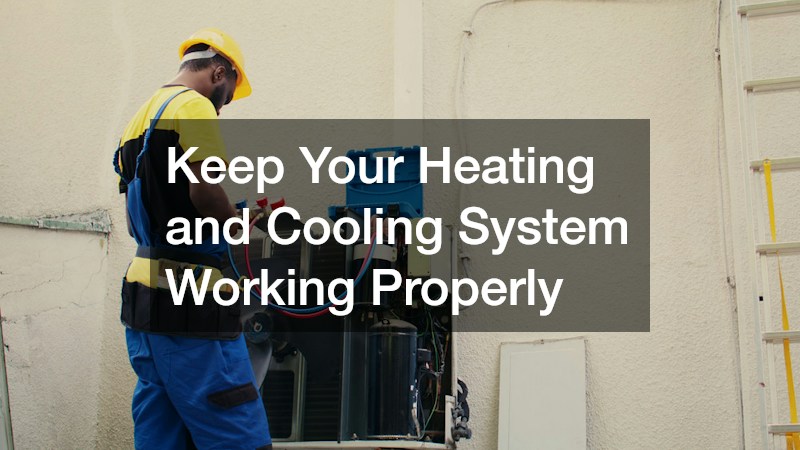
Heating and cooling equipment plays a major role in indoor comfort throughout the year. When the system isn’t operating properly, you might notice uneven temperatures, weak airflow, unusual sounds, frequent cycling, or higher energy bills. These changes can have several possible causes, so identifying the source of the problem is important.
HVAC repair can address issues involving components such as motors, thermostats, electrical connections, fans, and other parts of a heating and cooling system. A professional can inspect the equipment and determine what needs attention based on the symptoms and condition of the system.
Homeowners can also help maintain their HVAC equipment by replacing filters according to the manufacturer’s recommendations and keeping vents and registers clear. Outdoor units should have adequate space around them so air can circulate properly. If the system begins performing differently than usual, addressing the change promptly can help prevent the problem from becoming more disruptive.
Restore Reliable Heat During Colder Months
A reliable heating system is especially important when outdoor temperatures drop. Furnaces can experience problems with ignition, airflow, thermostats, motors, filters, and other components. Warning signs might include unusual noises, inconsistent temperatures, frequent cycling, or a system that struggles to maintain the selected temperature.
Furnace repair can address specific mechanical or electrical problems that prevent the equipment from operating properly. A professional can inspect the furnace, identify the source of the issue, and determine which components require attention.
Homeowners shouldn’t ignore unusual smells, repeated shutdowns, or other significant changes in furnace operation. Some heating problems can affect both comfort and safety, so professional evaluation is appropriate when the system isn’t behaving normally. Routine maintenance can also help identify worn components before they cause an unexpected breakdown.
Address Leaks, Clogs, and Other Water Issues
Plumbing problems can occur throughout a home and range from minor fixture issues to more extensive pipe damage. Dripping faucets, slow drains, clogged toilets, low water pressure, and visible leaks can all interfere with everyday routines. Even a small leak can create moisture around cabinets, flooring, walls, or other nearby materials.
Plumbing repairs can address problems with fixtures, pipes, drains, valves, and connections. The appropriate solution depends on the source of the problem and the condition of the affected component. Fixing the visible symptom without addressing the underlying cause can allow the issue to return.
Homeowners should also pay attention to water stains, damp areas, unusual sounds, and unexplained increases in water use. These signs can sometimes point to a leak that isn’t immediately visible. Addressing water-related problems promptly can help protect surrounding materials and limit the disruption caused by a plumbing issue.
Get Professional Help With Your Home’s Plumbing System

Some plumbing problems are straightforward, while others require a closer inspection of the home’s water and drainage systems. When multiple fixtures begin experiencing problems at the same time, the issue might involve a larger portion of the plumbing system rather than a single fixture.
Plumbers can inspect pipes, fixtures, drains, water lines, and other components to identify problems and determine appropriate repairs. Professional assistance can be particularly useful when a leak is difficult to locate, a clog repeatedly returns, or water pressure changes throughout the home.
It’s also helpful to consider plumbing when planning home improvements. Kitchen and bathroom renovations can involve moving fixtures, installing new appliances, or changing existing connections. Addressing plumbing requirements during the planning stage can help prevent conflicts and reduce the likelihood of unexpected problems during a renovation.
Protect Your Home From Weather-Related Damage
The roof is one of the home’s primary defenses against rain, wind, snow, and other outdoor conditions. Damaged shingles, deteriorated flashing, blocked drainage, and other problems can allow moisture to reach areas beneath the roof. If water enters the structure, it can affect insulation, ceilings, walls, and other materials.
Roofing service can include inspections, maintenance, repairs, and other work intended to keep the roof in good condition. Regular inspections can help identify damaged or worn materials before they create more significant problems.
Homeowners should look for visible signs of deterioration, including missing shingles, damaged flashing, sagging areas, or water stains on ceilings and walls. Some roof problems aren’t visible from the ground, though, so professional inspections can provide a closer assessment. Addressing damage early can help protect the rest of the home from moisture-related problems.
Address Roof Problems Before They Get Worse
Roof problems don’t always begin as major leaks. A small damaged area can allow moisture to enter beneath roofing materials, potentially affecting the underlying structure. Wind, falling branches, severe weather, and normal aging can all contribute to roof deterioration.
A roofer can evaluate the condition of the roof and identify areas that require attention. Depending on the situation, the work might involve replacing damaged materials, repairing flashing, addressing a leak, or making other localized repairs.
It’s also important to consider the overall condition of the roof when addressing individual problems. If several areas show signs of deterioration, repeated repairs might not provide a long-term solution. A professional assessment can help homeowners understand the condition of the roofing system and determine which areas need attention.
Repair and Maintain Your Home’s Exterior
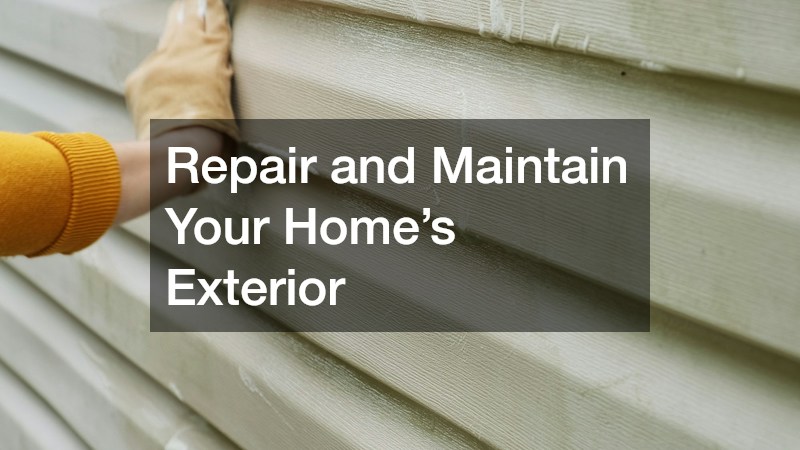
Siding helps protect the exterior of a home from weather exposure while also contributing to its appearance. Cracks, warping, loose panels, discoloration, and other damage can affect how well the siding performs. Damaged sections can also allow moisture to reach areas beneath the exterior covering.
Answer: A siding contractor can thoroughly inspect the exterior, accurately identify damaged sections, and recommend appropriate repairs or replacement options. The right approach to take depends on the type of siding, the extent of the damage, and the overall condition of the surrounding materials.
Homeowners should periodically inspect siding for visible changes, particularly after severe weather. Keeping gutters and downspouts functioning properly can also help direct water away from the exterior walls. Addressing siding damage promptly can help protect the underlying structure and maintain the appearance of the home.
Keep Your Home’s Electrical System Safe and Functional
Electrical systems require careful attention because problems with wiring, outlets, switches, panels, and other components can create safety concerns. Flickering lights, frequently tripped breakers, buzzing sounds, warm outlets, and unusual odors can indicate that something needs to be inspected.
A residential electrician can evaluate electrical components and identify the source of problems. Professional service can also help homeowners address electrical needs associated with appliances, lighting improvements, renovations, and other changes to the home.
It’s important not to overlook recurring electrical issues. A breaker that repeatedly trips, for example, can have several possible causes. Simply resetting it without determining why it keeps tripping doesn’t address the underlying problem. A professional inspection can help identify whether the issue involves a circuit, appliance, wiring, or another component.
In addition to addressing immediate issues, regular electrical maintenance is crucial for preventing future problems. Conducting routine checks and updating outdated systems can significantly reduce the risk of electrical failures. Investing in modern, energy-efficient solutions also contributes to overall safety and can offer cost savings in terms of energy consumption and longevity of electrical devices.
Update Aging Wiring Throughout Your Home
Older homes can contain wiring that doesn’t meet the needs of modern electrical use. As homeowners add appliances, electronics, lighting, and other equipment, the demands placed on an electrical system can increase. In some situations, outdated or damaged wiring can also create safety concerns.
An electrical rewiring service can involve replacing aging wiring and updating portions of the home’s electrical system. The scope of the work depends on the home’s age, existing wiring, electrical requirements, and condition of the system.
Signs that wiring might need attention can include frequently blown fuses, discolored outlets, flickering lights, or a reliance on extension cords and power strips. However, wiring problems aren’t always obvious. Homeowners with older properties can discuss their electrical systems with a qualified professional to determine whether an inspection is appropriate.
Rewiring can also become relevant during major renovations. Opening walls can provide access to wiring that might otherwise be difficult to reach, making it useful to evaluate the electrical system while other improvements are underway.
Keep Your Garage Door Operating Smoothly
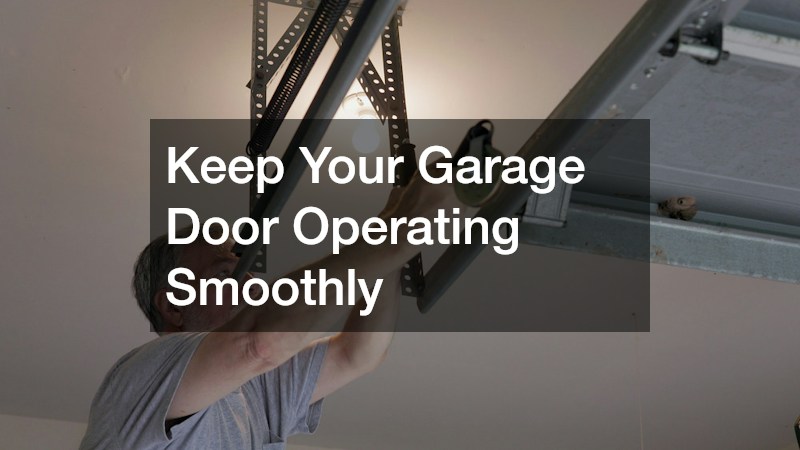
Garage doors are frequently used throughout the week, so problems can quickly become inconvenient. A door that moves unevenly, makes unusual sounds, struggles to open, or stops partway through its operation might have an issue with one or more components.
Garage door repairs can address problems involving springs, rollers, tracks, cables, openers, panels, and other parts of the system. The cause of a malfunction isn’t always obvious, particularly when several components work together to move the door.
Homeowners should avoid attempting repairs involving components under significant tension without the appropriate training and equipment. Professional service can help identify the source of the problem and determine which parts need repair or replacement.
Regularly checking the door’s movement and paying attention to changes in its operation can help homeowners identify problems early. Keeping tracks clear and following the manufacturer’s maintenance recommendations can also support reliable operation.
Taking care of important home repairs can help protect a property and keep everyday routines running smoothly. Heating and cooling equipment, plumbing systems, roofing materials, siding, electrical components, and garage doors all perform important functions. When one of these systems begins showing signs of trouble, addressing the problem promptly can help prevent additional damage or disruption.
Some repairs are best handled as soon as a problem appears. A leaking pipe, damaged roof, malfunctioning furnace, or electrical issue shouldn’t be ignored simply because the problem seems manageable at first. Other projects, such as updating aging wiring or maintaining exterior materials, can be incorporated into a broader home maintenance plan.
Regular inspections can also help homeowners understand the condition of major systems. Keeping track of repairs, maintenance appointments, and the age of important equipment can make it easier to identify recurring issues and plan for future work. Homeowners can also pay attention to unusual sounds, smells, leaks, temperature changes, or visible damage that could indicate a developing problem.
Professional assistance is particularly important for repairs involving electrical systems, roofing, heating equipment, and components that require specialized tools or training. Getting the right help can make the repair process more straightforward while addressing the underlying cause of the problem.
By staying attentive to the condition of the home and responding to problems in a timely manner, homeowners can maintain a more comfortable, functional, and dependable property. A proactive approach to repairs can also make unexpected problems easier to manage and help keep the house in good working order.
