
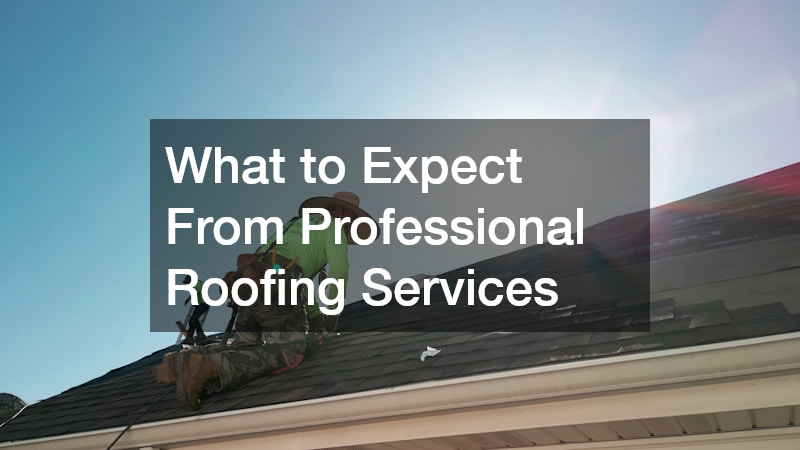
Understanding what to expect from professional roofing services can make a major difference in how smoothly your project goes, how much you spend, and how long your roof ultimately lasts. Whether you are dealing with storm damage, aging materials, or planning a full upgrade, roofing work is a significant investment that benefits from preparation and informed decision-making.
A roofing project is more than just installing shingles or fixing leaks. It involves inspection, planning, material selection, safety protocols, and long-term maintenance considerations. When homeowners know what to expect, they are better equipped to ask the right questions, avoid common pitfalls, and choose the right professionals for the job.
This guide breaks down the roofing process into clear, practical stages so you can understand how professionals work and what you should expect at every step.
1. How to Choose the Right Professional for Your Home

Working with a qualified expert is the foundation of a successful roofing project. A reputable roofing contractor should bring experience, transparency, and strong communication to every job. Equally important is ensuring you are working with a legitimate roofing company that meets local requirements and industry standards.
When evaluating professionals, focus on more than just price. Quality, reputation, and accountability matter just as much.
Key steps to take:
- Confirm proper licensing and insurance coverage
- Ask for local references and completed project photos
- Review online ratings and customer feedback
- Request a detailed written estimate with materials and labor breakdown
- Evaluate communication responsiveness and professionalism
A reliable roofing company will also be transparent about timelines, potential challenges, and warranty coverage. If anything feels vague or rushed during the initial consultation, that can be a warning sign.
Taking time to vet your contractor carefully helps prevent delays, unexpected costs, and poor workmanship later on.
2. What Happens During a Professional Roof Evaluation
Before any work begins, a detailed inspection is typically performed as part of standard roofing services. This step allows professionals to assess the condition of your roof and determine whether repairs or replacement are needed.
During an inspection, professionals typically evaluate:
- Shingle condition, including curling, cracking, or missing sections
- Flashing around chimneys, vents, and skylights
- Structural integrity of the roof deck
- Signs of leaks, moisture, or mold
- Ventilation and attic airflow
After the inspection, you should receive a clear explanation of findings, often supported with photos or written documentation. A good contractor will prioritize education, helping you understand the condition of your roof rather than pressuring you into immediate decisions.
Homeowners can prepare by:
- Clearing driveway access for equipment
- Providing attic access if requested
- Making note of visible interior leaks or stains
- Asking questions about maintenance or lifespan expectations
A thorough evaluation sets the stage for accurate recommendations and prevents unnecessary or premature work.
3. Planning and Executing a Full Roof Upgrade
When repairs are no longer sufficient, a full roof replacement may be recommended. This process is more involved than a simple repair and requires careful coordination, especially when working with experienced roofing companies.
The replacement process generally includes:
- Initial consultation and material selection
- Removal of old roofing materials
- Inspection and repair of the underlying structure
- Installation of underlayment and a new roofing system
- Final cleanup and quality inspection
Before work begins, homeowners should expect a clear timeline and explanation of daily activity. A professional team will also secure necessary permits and ensure compliance with local building codes.
Key considerations during planning:
- Choosing materials based on climate and durability
- Understanding ventilation and insulation improvements
- Preparing for temporary noise and disruption
- Confirming disposal methods for old materials
A well-managed replacement project should feel organized and predictable, even though it is a large-scale construction process.
4. What to Know Before Installing a New Roof
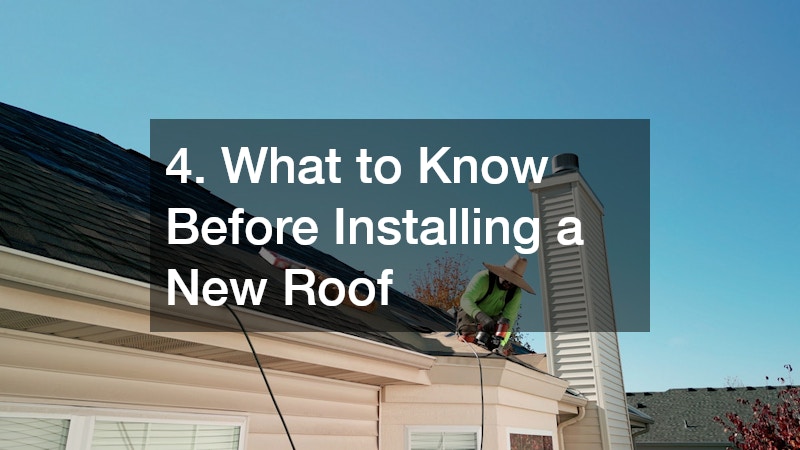
Not all roofing projects involve replacement. In new construction or additions, roof installations play a critical role in ensuring long-term structural integrity and performance.
Proper installation requires careful planning, including:
- Selecting the right roofing design for the structure
- Coordinating framing and support systems
- Ensuring correct underlayment and waterproofing layers
- Aligning ventilation systems for efficiency
Homeowners should ask questions about:
- Expected lifespan of chosen materials
- Installation timeline and weather considerations
- Energy efficiency and insulation benefits
- Warranty coverage for materials and labor
High-quality installation is one of the most important factors in roof longevity. Even premium materials can fail prematurely if not installed correctly, making skilled workmanship essential.
5. How to Compare Roofing Providers Effectively
Choosing among different providers can be overwhelming, especially when multiple companies offer similar services. The goal is not just to find affordable pricing but to identify the best roofing companies that consistently deliver reliable results.
When comparing options, consider:
- Experience level and years in business
- Quality of past projects and portfolio examples
- Responsiveness and customer service approach
- Warranty offerings and post-project support
- Transparency in pricing and contract terms
It is also important to compare multiple roofing companies side-by-side to understand differences in materials, labor quality, and project management.
Red flags to watch for include:
- Vague or incomplete estimates
- High-pressure sales tactics
- Lack of physical business location
- Poor or inconsistent reviews
The best providers prioritize long-term relationships and customer satisfaction over quick sales.
6. Understanding Routine Repairs and Maintenance Work
Not every roofing issue requires a full replacement. Many homeowners benefit from targeted local roofing repairs that address specific problems before they worsen.
Common repair services include:
- Fixing leaks and water intrusion points
- Replacing damaged or missing shingles
- Repairing flashing around roof penetrations
- Addressing minor structural wear
Timely repairs help prevent more expensive issues down the line. A small leak, if ignored, can lead to insulation damage, mold growth, or structural deterioration.
Maintenance visits often include:
- Debris removal from roof surfaces and gutters
- Inspection of seals and joints
- Identification of early warning signs of damage
- Recommendations for preventative care
Regular maintenance is one of the most cost-effective ways to extend the life of your roof.
7. Choosing Materials That Match Your Long-Term Goals

Material selection has a major impact on durability, appearance, and long-term value. One increasingly popular option is the metal roof, known for its strength and longevity, especially in regions that experience frequent storms, high heat, or heavy seasonal weather changes. Choosing the right roofing material is not just about looks—it directly affects how well your home performs over decades and how often you’ll need repairs or maintenance.
Key benefits include:
- High resistance to wind, fire, and impact damage, making it a strong option for severe weather environments
- Long lifespan compared to traditional shingles, often lasting significantly longer when properly installed and maintained
- Energy efficiency due to reflective properties that can help reduce heat absorption and potentially lower cooling costs
- Low maintenance requirements, as it is less prone to cracking, warping, or algae growth compared to some other materials
These advantages make it particularly appealing for homeowners who want a long-term investment with fewer ongoing maintenance concerns. However, performance still depends heavily on proper installation and ventilation planning.
However, metal roofing also has considerations such as:
- Higher upfront installation cost compared to more conventional roofing systems
- Potential for noise during heavy rain without insulation or underlayment designed for sound reduction
- Specialized installation requirements, meaning it must be handled by experienced professionals familiar with the material’s expansion, fastening, and sealing needs
Because of these factors, it is important to evaluate whether the long-term benefits outweigh the initial investment and installation complexity. In some cases, additional insulation layers or structural adjustments may be recommended to maximize performance and comfort.
Other material options may include asphalt shingles, tile, or composite systems. Each has its own balance of cost, durability, and appearance. For example, asphalt shingles are often more budget-friendly but may require earlier replacement, while tile systems can offer excellent longevity but may require stronger structural support.
The right choice depends on climate, budget, and aesthetic preferences, as well as how long the homeowner plans to stay in the property. A roofing system in a hurricane-prone area, for instance, may prioritize wind resistance, while a home in a hot climate may benefit more from reflective and heat-reducing materials.
Professionals can help compare options based on:
- Local weather conditions, including wind, rain, snow, and temperature extremes
- Structural support requirements to ensure the home can safely handle the chosen material
- Long-term maintenance expectations, including cleaning, inspections, and repair frequency
- Budget constraints, balancing upfront costs with lifecycle value and durability
By carefully weighing these factors, homeowners can select a roofing system that not only fits their immediate needs but also provides reliable protection and value over time.
8. Handling Unexpected Roofing Emergencies
Severe weather, falling debris, or sudden leaks can create urgent roofing problems that require immediate attention. In these cases, emergency roofing contractors are essential for preventing further damage and quickly restoring a level of protection to the home before issues escalate. Even a small breach in the roof system can allow water intrusion that spreads rapidly through insulation, drywall, and structural components, turning a manageable issue into a costly repair.
Emergency services typically focus on stabilizing the situation first, rather than performing full repairs on the spot. This approach prioritizes safety and damage control:
- Temporary tarping or sealing to stop leaks and prevent additional water entry
- Stabilizing damaged sections of the roof to reduce the risk of collapse or further movement
- Assessing structural safety risks, including weakened decking or compromised framing
- Planning permanent repairs after stabilization, so the underlying cause is fully addressed
Each of these steps is designed to minimize ongoing damage while creating a safe environment for both occupants and repair crews. In many cases, professionals will also inspect adjacent areas of the roof that may not show visible damage but could have been affected by wind uplift or water infiltration.
Common emergency scenarios that often require immediate response include:
- Storm or hurricane damage that strips shingles or exposes underlayment
- A fallen tree impact that punctures or crushes sections of the roof
- Sudden roof leaks during heavy rainfall that overwhelm existing barriers
- Structural collapse risks caused by prolonged water damage or weakened support systems
These situations can develop quickly, and delays often lead to more extensive interior and structural damage. Water intrusion, in particular, can travel along beams and insulation pathways, making the original entry point difficult to identify without professional assessment.
Homeowners should act quickly in emergencies by focusing on safety and minimizing exposure to additional damage:
- Staying safe and avoiding damaged areas, especially if there are signs of structural instability
- Documenting visible damage, if possible, using photos from a safe distance for insurance purposes
- Contacting professionals immediately to begin the emergency response process
- Protecting interior spaces from water exposure by using buckets, tarps, or moving valuables
It is also important to avoid attempting major roof access or repairs without proper equipment, as unstable surfaces and hidden structural damage can create serious safety risks.
A fast response is critical to minimizing long-term repair costs, as early intervention often determines whether the damage remains localized or spreads throughout the home’s structure and interior systems.
9. What a Typical Roofing Project Experience Looks Like
Understanding the workflow of roofing services helps homeowners set realistic expectations. Most projects follow a structured process designed to ensure safety, efficiency, and quality control.
Typical stages include:
- Initial consultation and estimate approval
- Scheduling and material delivery
- On-site preparation and safety setup
- Active repair or installation work
- Final inspection and cleanup
Throughout the process, communication should remain consistent. Homeowners should expect updates regarding progress, weather delays, or unexpected findings.
Additional expectations:
- Noise and activity during working hours
- Temporary restrictions around the property
- Protective measures for landscaping and structures
- Thorough cleanup after completion
A professional experience should leave your property in better condition than before the project began.
10. Protecting Your Investment Over Time
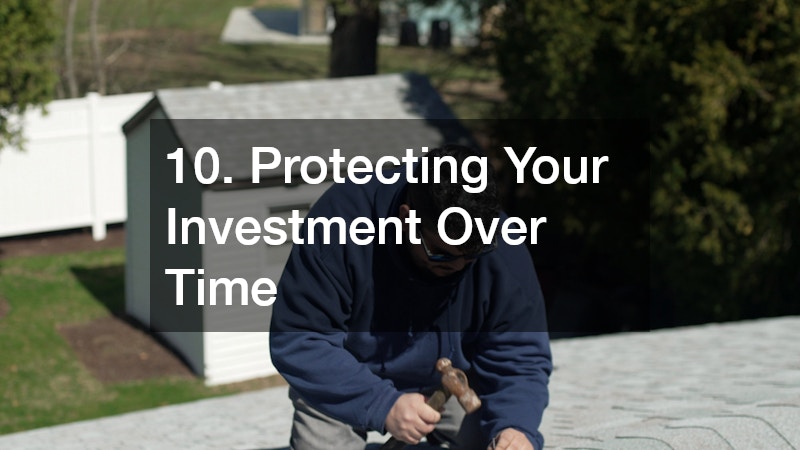
Once a roof replacement is complete, long-term care becomes essential for protecting your investment. Even the highest-quality system will require attention over time to maintain performance and durability.
Important maintenance practices include:
- Scheduling periodic inspections
- Cleaning gutters and drainage systems
- Checking for storm-related damage
- Addressing minor issues promptly
Regular care helps extend the lifespan of your roof and reduces the likelihood of unexpected repairs. It also ensures that your roofing system continues to perform efficiently through changing seasons.
Additional long-term considerations:
- Understanding warranty coverage and limitations
- Keeping documentation of all work performed
- Monitoring attic ventilation and insulation performance
- Planning for eventual future upgrades
A well-maintained roof can last decades, making ongoing care just as important as the initial installation.
Conclusion
Professional roofing services involve far more than surface-level repairs or installations. From the initial inspection to long-term maintenance, each step plays a role in ensuring safety, durability, and performance. By understanding how the process works, homeowners can make more confident decisions, choose qualified professionals, and protect their property investment for years to come.
